News & Articles

Category: Blog

Transforming Patient Care with Health Care Data Analytics
Blog
Transforming Patient Care with Health Care Data Analytics

In the rapidly evolving field of healthcare, one technological advancement stands at the forefront of innovation: Health Care Data Analytics. This groundbreaking tool has the potential to forecast patient needs prior to their arrival at a medical facility, a concept that has transitioned from speculative fiction to tangible reality. By enabling unprecedented understanding and responsiveness to multifaceted health challenges, Health Care Data Analytics has fundamentally altered the paradigm of medical practice and research. However, the journey into this new era is fraught with complexities, including the immense volume of data, the intricacy of interpreting actionable insights, and the gravity of privacy and trust considerations.

Despite these challenges, with a comprehensive strategy and profound understanding of proper data utilization, healthcare professionals can transcend these obstacles. This pioneering field presents an extraordinary opportunity for enhancements in patient care and medical research. We invite you to explore with us the intricate landscape of Health Care Data Analytics, delving into its vast potential, inherent challenges, and the strategies by which we can leverage this cutting-edge technology to usher in a new era of healthcare excellence.

Embracing EHRs Interoperability Standards in Healthcare
Blog
Embracing EHRs Interoperability Standards in Healthcare

The evolution and adoption of EHRs interoperability standards have transformed the healthcare landscape, enabling seamless data exchange and enhancing patient care. This blog post will delve into the intricacies of these standards, providing a comprehensive understanding for healthcare professionals.

We’ll explore the birth and development of Electronic Medical Records (EMRs), examining legislative influences that spurred EHR adoption. We will also address clinician burnout associated with traditional EHR usage, proposing system-as-a-service as a potential solution.

Interoperability challenges within current EHR systems are an ongoing concern; we aim to highlight initiatives to mitigate these issues. Furthermore, we’ll discuss how adopting interoperable standards can enhance care processes through integrated workflows.

Cybersecurity measures specific to electronic health records are essential in this digital age; our discussion includes potential risks and recommended safeguards. Additionally, accelerating implementation through partnership approaches can yield significant benefits – case studies will illustrate this point effectively.

Finally, cost-effectiveness and efficiency remain paramount in any technological transition; hence we analyze various implementation methods’ cost implications while evaluating proven technological solutions’ efficiency gains.

Global Health Interoperability Standards: The WHO-HL7 Collaboration
Blog
Global Health Interoperability Standards: The WHO-HL7 Collaboration

Global Health Interoperability Standards is witnessing a transformative phase with the recent collaboration between World Health Organization (WHO) and HL7. This partnership aims to expedite the adoption of open interoperability standards in healthcare, enabling seamless health data sharing across heterogeneous health information systems.

Our discussion will delve into WHO’s Global Digital Health Strategy and its pivotal role in influencing interoperability standards’ global acceptance. We’ll also explore the expected outcomes from this synergy, particularly concerning Substitutable Medical Applications and Reusable Technologies Guidelines.

Further on, we’ll illuminate how both organizations are contributing towards normative standard development and working on creating a unified terminology system. Lastly, we’ll dissect the technical mechanisms established by HL7 for supporting this initiative and ponder over past collaborations and future expectations post this alliance.

Understanding these developments around Global Health Interoperability Standards can drastically cut healthcare costs while ensuring better patient care through efficient data exchange among healthcare providers.

Enhancing Patient Care with EHR Interoperability Solution
Blog
Enhancing Patient Care with EHR Interoperability Solution

In 2009, the federal government allocated $27 billion to promote technology adoption in healthcare. This investment aimed at modernizing healthcare systems by transitioning from paper-based records to Electronic Health Records (EHRs). By 2015, this spending had escalated to a whopping $35 billion.

This substantial federal funding was primarily dedicated to incentivizing hospitals and physician practices to adopt EHRs. The goal was not just digitization but also enhancing interoperability across different healthcare providers for seamless data exchange.

Fast forward to today, over 95% of all hospitals and 85% of physician practices use EHRs. These figures indicate a significant shift towards digital record-keeping within the healthcare industry.

Despite such widespread use, there is an ongoing debate about how much progress has been made toward improving quality, safety, efficiency, and reducing costs – the primary objectives behind promoting EHR adoption. While it’s undeniable that we’ve come a long way since traditional paper-based systems, measuring tangible benefits in terms of improved patient outcomes or cost savings remains challenging due to various factors like system usability issues or lack of standardized data formats impeding true interoperability among different systems.

Realizing the potential benefits offered by digitized health records requires addressing these challenges head-on through continuous innovation and collaboration among all stakeholders, including clinicians, administrators, and technology vendors providing these solutions.

Utilizing Data-Driven Automation in Healthcare to Reduce Staff Burnout
Blog
Utilizing Data-Driven Automation in Healthcare to Reduce Staff Burnout

In the face of rising stress levels amongst healthcare professionals, the sector is turning its gaze towards an innovative solution: data-informed automation. With the potential to enhance patient care and rejuvenate healthcare teams, this approach offers a fresh perspective on tackling the burnout epidemic.

The healthcare sector has been increasingly confronted with staff burnout—a severe issue that impacts the morale of healthcare providers and the quality of patient care. However, introducing automation powered by data analytics presents a promising pathway to address this issue.

Leveraging artificial intelligence and machine learning can help process and analyze vast quantities of data, generating patterns, predictions, and actionable insights. This can significantly enhance decision-making processes, improving patient safety and overall clinical outcomes.

Data-informed automation is also crucial in streamlining clinical operations by providing data on patient flow, wait times, and task durations. This data allows for more effective resource allocation, ensuring staffing levels are appropriate for patient demand. Emerging technologies like voice recognition and natural language processing can alleviate clinicians’ workload by assisting in clinical documentation.

Integrating SDOH Data: Achieving Health Equity
Blog
Integrating SDOH Data: Achieving Health Equity

Integrating SDOH data into healthcare practices has become increasingly important as the medical community recognizes the significant impact of social determinants on individual health outcomes. This comprehensive blog post will delve into the complex relationship between social determinants and health, exploring how value-based care models can effectively address these factors.

We’ll also discuss the challenges in gathering essential SDOH information, including difficulties in collecting and incorporating diverse patient data into existing systems. Furthermore, we’ll examine federal initiatives that support health equity efforts, such as ONC’s guidance for interoperability standards development and implementation.

Lastly, this post will highlight cross-industry collaboration as a crucial component to unlocking health equity through integrating SDOH data. We’ll explore real-world examples of innovative approaches taken by Medicare Advantage plans and state-level flexibility enabled by Section 1115 waivers. Stay tuned to learn more about addressing data standardization and interoperability while implementing effective SDOH programs within your practice.

Primary Care Enhancement
Blog
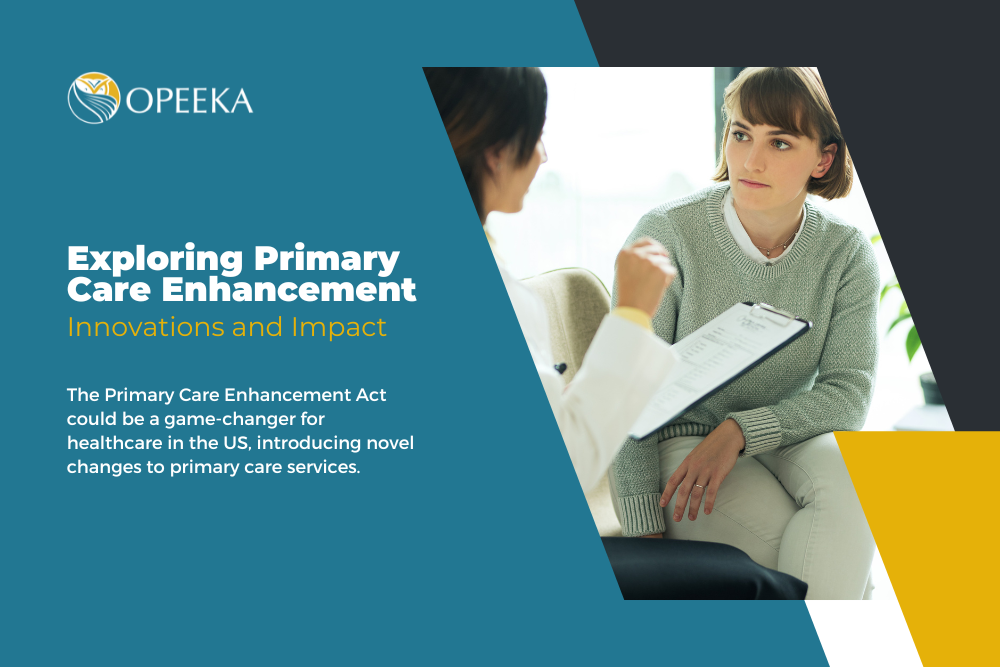
Exploring Primary Care Enhancement: Innovations and Impact

The Primary Care Enhancement Act could be a game-changer for healthcare in the US, introducing novel changes to primary care services. This groundbreaking legislation aims to create a more efficient and effective healthcare system, benefiting patients and providers alike.

As you delve into this blog post, you will gain insight into the Making Care Primary (MCP) model, its goals for integrated and coordinated primary care services, and its impact on our current healthcare infrastructure. Furthermore, we will explore the states participating in the pilot program and discuss MCP’s multi-payor alignment strategy that builds upon existing state innovations while improving care delivery.

Lastly, we’ll examine MCP’s progressive three-track approach, including infrastructure development, advance payments & bonuses, and performance-based incentives. Stay tuned for details on the application process and anticipated launch date of this transformative initiative within primary care enhancement.

FHIR Blockchain Healthcare: A Secure, Efficient Future
Blog
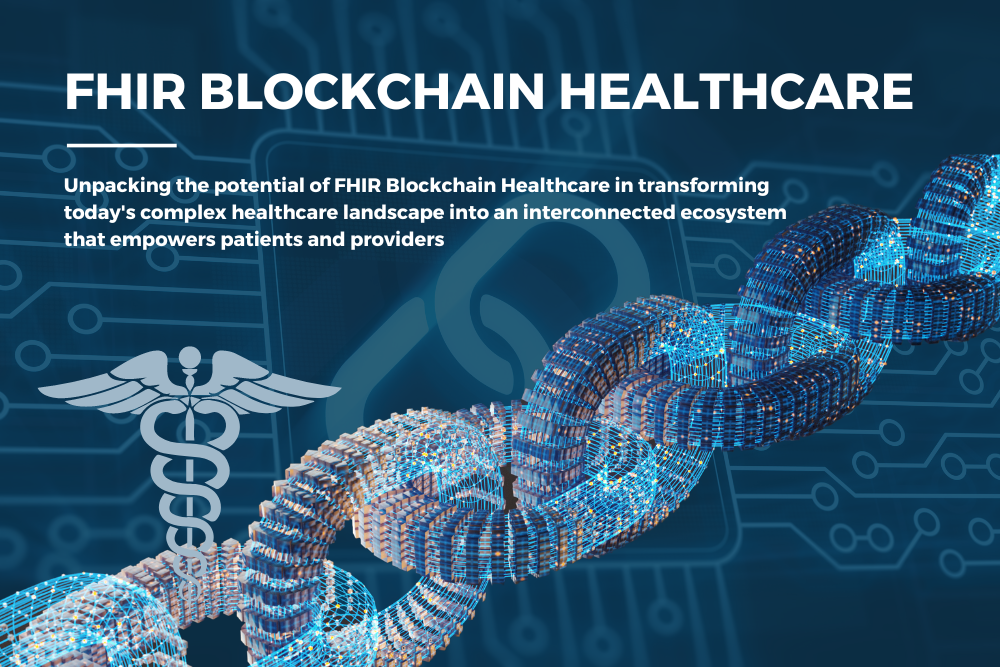
FHIR Blockchain Healthcare: A Secure, Efficient Future

As the healthcare industry continues to evolve, FHIR Blockchain Healthcare is emerging as a promising solution for addressing data security and interoperability challenges. By combining Fast Healthcare Interoperability Resources (FHIR) with blockchain technology, this innovative approach aims to revolutionize how health information is managed and shared among stakeholders.

In this blog post, we will delve into the intricacies of FHIR as a standardized data format and explore how blockchain technology can enhance data storage security in healthcare settings. We’ll also discuss how integrating these two technologies can improve data integrity through immutable records, streamlined sharing of medical records among various institutions, increased trust and transparency via decentralization, and reduced administrative burden resulting in enhanced efficiency.

Stay tuned as we unpack the potential of FHIR Blockchain Healthcare in transforming today’s complex healthcare landscape into an interconnected ecosystem that empowers patients and providers while safeguarding sensitive personal health information.

Digital Twins Healthcare: Revolutionizing Patient Outcomes
Blog
Digital Twins Healthcare: Revolutionizing Patient Outcomes

As the healthcare industry continues to evolve, digital twins in healthcare emerge as a transformative force for personalized medicine and improved patient outcomes. This cutting-edge technology enables clinicians to harness multimodal patient data from various medical devices and IoT sensors for real-time decision-making by creating a digital replica of an individual’s unique physiology.

This blog post will delve into how digital twin technology is revolutionizing health operations by providing real-time reporting for informed decision-making and enhancing efficiency across multiple facets of the healthcare system. We’ll explore its applications in optimizing bed occupancy management through strategic capacity planning and resource allocation and maximizing ROI from high-value medical assets with preventative maintenance strategies.

Furthermore, we’ll discuss how human-body digital twins transform clinical trials by enabling personalized treatment plans that minimize risks associated with traditional trial-and-error approaches. Finally, we’ll provide insights on implementing digital twins in healthcare organizations by defining clear business objectives, establishing robust data governance practices, and assessing organizational readiness for adoption.

Value-Based Care Payers: Transforming Healthcare Delivery
Blog
Value-Based Care Payers: Transforming Healthcare Delivery

Value-Based Care Payers are at the forefront of transforming healthcare delivery, shifting from fee-for-service models to those prioritizing patient outcomes and cost efficiency. This blog post will delve into the various factors driving this paradigm shift and how it is shaping a more consumer-centric healthcare ecosystem.

We will discuss the role of government programs in promoting Value-Based Care (VBC) adoption and explore innovative technologies enabling future VBC models. Additionally, we will highlight the importance of leveraging data insights for personalized care pathways, focusing on Social Determinants of Health (SDoH) and wearable technology.

Lastly, we’ll examine health and wellness reward programs within VBC frameworks, emphasizing preventive care strategies and data-driven approaches to designing effective wellness initiatives. Join us as we unpack these critical components for Value-Based Care Payers seeking to revolutionize healthcare delivery while improving patient outcomes.