News
There is a need to access disparate data, including from electronic health records, travel and other health-related data, ideally on every person, in as close to real-time as possible.

There is a need to access disparate data, including from electronic health records, travel and other health-related data, ideally on every person, in as close to real-time as possible.
Better use of EHR data is critical to measure and improve care quality and promote health equity. Gaps in care communication and coordination are more likely to negatively affect patients disproportionately affected by social determinants of health (SDOH), such as food or housing insecurity.
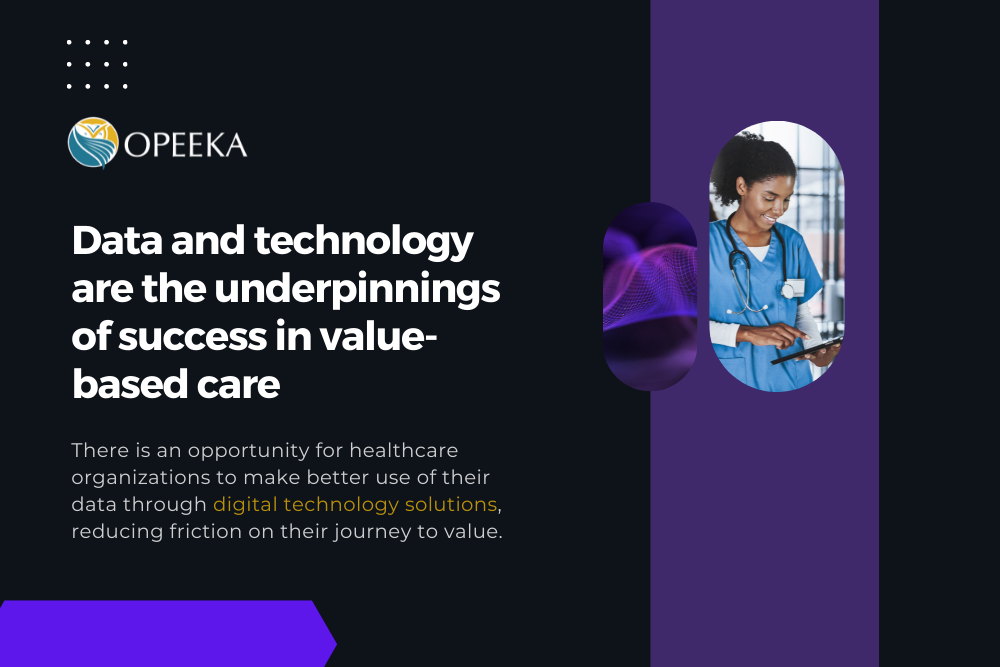
Unfortunately, many healthcare organizations struggle to aggregate and coalesce diverse and vital information due to care delivery silos and the lack of data exchange between them.
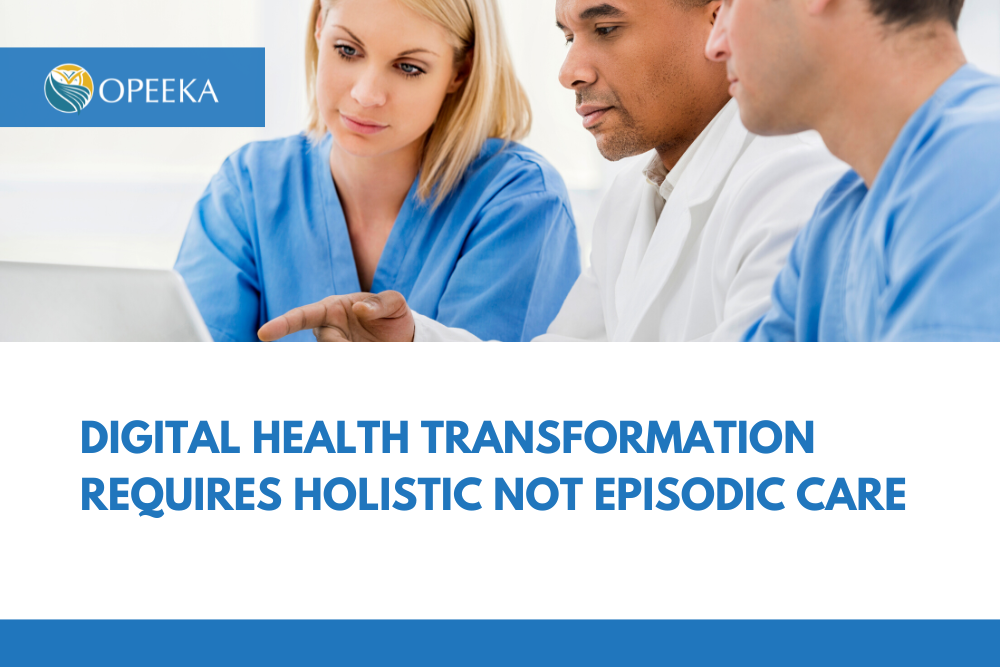
Thanks to digital healthcare, clinicians can make the necessary adjustments and more informed assessments of the health of patients and the general population. The aim is to deliver the right treatment, to the right person, and at the right time to improve decision-making and limit costs.
Mental health issues in the workplace can lead to lower productivity and absenteeism. And we haven’t even mentioned the impact that the pandemic has had on people. Employees are the heart and soul of an organization; they’re our colleagues, co-workers and friends. Shouldn’t we want to help?
Healthcare organizations should consider their EHR data capabilities and look to augment with other technologies. For healthcare organizations to stay agile and meet patient demand, they’ll need modern data platforms to face today’s problems and plan for the future.
With healthcare spending at an all-time high, value-based care transformation can solve the cost problem while shifting healthcare dollars so providers can focus on population health outcomes.
In order to have effective, efficient, and measurable performance, efforts should always be tech-enabled and data-driven. A proactive, omnichannel model with outreach, engagement tools, education and follow-up can guide patients down a better path to improved health and social outcomes.
For CalAIM to succeed, Medi-Cal plans and the Department of Health Care Services (DHCS) need clinical data to be curated, cleaned, and analyzed by health information organizations (HIOs), which are currently the only entities in California with the capacity to do so.
This gathering storm has the potential to reorder the healthcare industry and put nearly half of the profit pools at risk. Those who thrive will tap into the $1 trillion of known improvement opportunities by redesigning their organizations for speed, accelerating productivity improvements, reshaping their portfolio, innovating new business models to refashion care, and reallocating constrained resources.