
News
With a third wave of COVID-19 infections sweeping the United States and widespread infection around the world, some schools are grappling with how to stay open safely, while others remain shuttered with remote learning curricula.

With a third wave of COVID-19 infections sweeping the United States and widespread infection around the world, some schools are grappling with how to stay open safely, while others remain shuttered with remote learning curricula.

Adulting is hard, but for the 20,000 youth who “age out” of foster care each year, suddenly required to be self-sufficient, it is downright cruel. Historically, many youth who age out of foster care fail to achieve their full potential because they don’t enjoy the same parental support as kids who are not in foster care. Roughly 34 percent of non-foster care youth aged 18-to-34 still lived at home with their parents in 2015, according to one study, and during this time, they received approximately $48,000 in financial support.
Mental health support for children and young people must be accelerated and expanded to meet growing levels of need, Centre for Mental Health chief executive Sarah Hughes said today.
If you find yourself regularly feeling anxious, you’re not alone. Anxiety disorders are the most common mental illness in America, affecting 40 million adults — roughly 18% of the U.S. population — each year, according to the Anxiety and Depression Association of America. What you might not realize is how much this anxiety is costing you, both from an emotional and economical standpoint.

For workers, stress is bombarding them from all directions with no sign of relenting. Employees are on edge about holding onto their jobs (and their partners’ holding onto theirs). Those lucky enough to do so often find themselves with smaller teams, big deadline pressures, and larger workloads.
There has been an “explosion” in anxiety in Britain over the past decade, research has shown, with the financial crash, austerity, Brexit, climate change and social media blamed for massive rises in the condition.
The prevalence of sleep troubles, lethargy, feelings of hopelessness and other depression symptoms in adults across the country has more than tripled since the pandemic began, according to a new study.

The Children’s Bureau at HHS’ Administration for Children and Families, Casey Family Programs, the Annie E. Casey Foundation Visit disclaimer pageand Prevent Child Abuse America®Visit disclaimer page are partnering to launch a nationwide initiative to prove that it is possible to fundamentally rethink how child welfare systems function to prioritize strengthening families and building resiliency, rather than separating families.

As the UK officially enters a recession, Natasha Preskey examines how the difficulties of the coronavirus pandemic are about to become a mental health crisis, as well as a physical one.
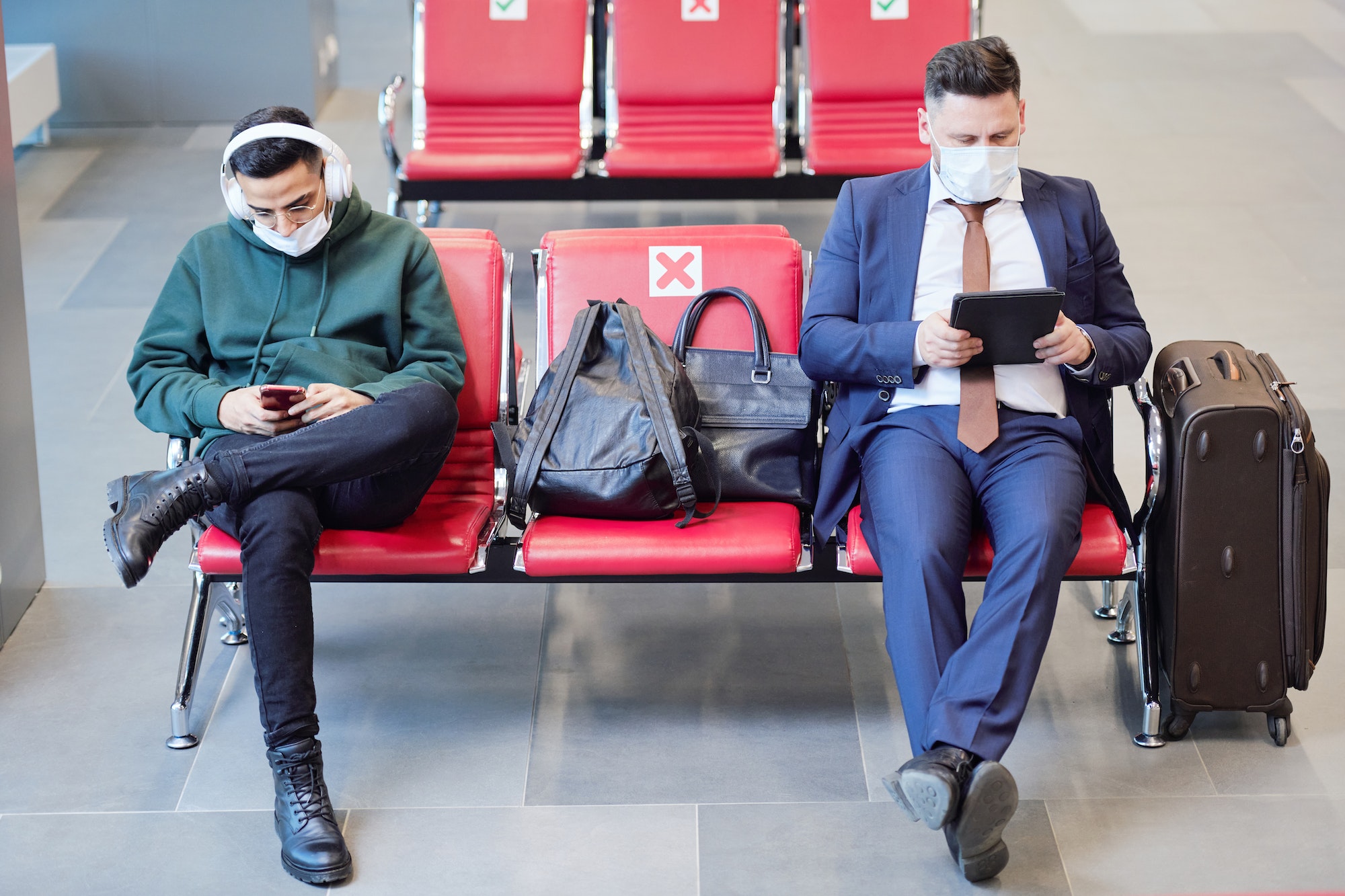
Nearly a quarter of people in the United States are experiencing symptoms of depression, according to a study published Wednesday. That’s nearly three times the number before the COVID-19 pandemic began.